Altruism: A Subtle Rebellion Against a Self-Centered World
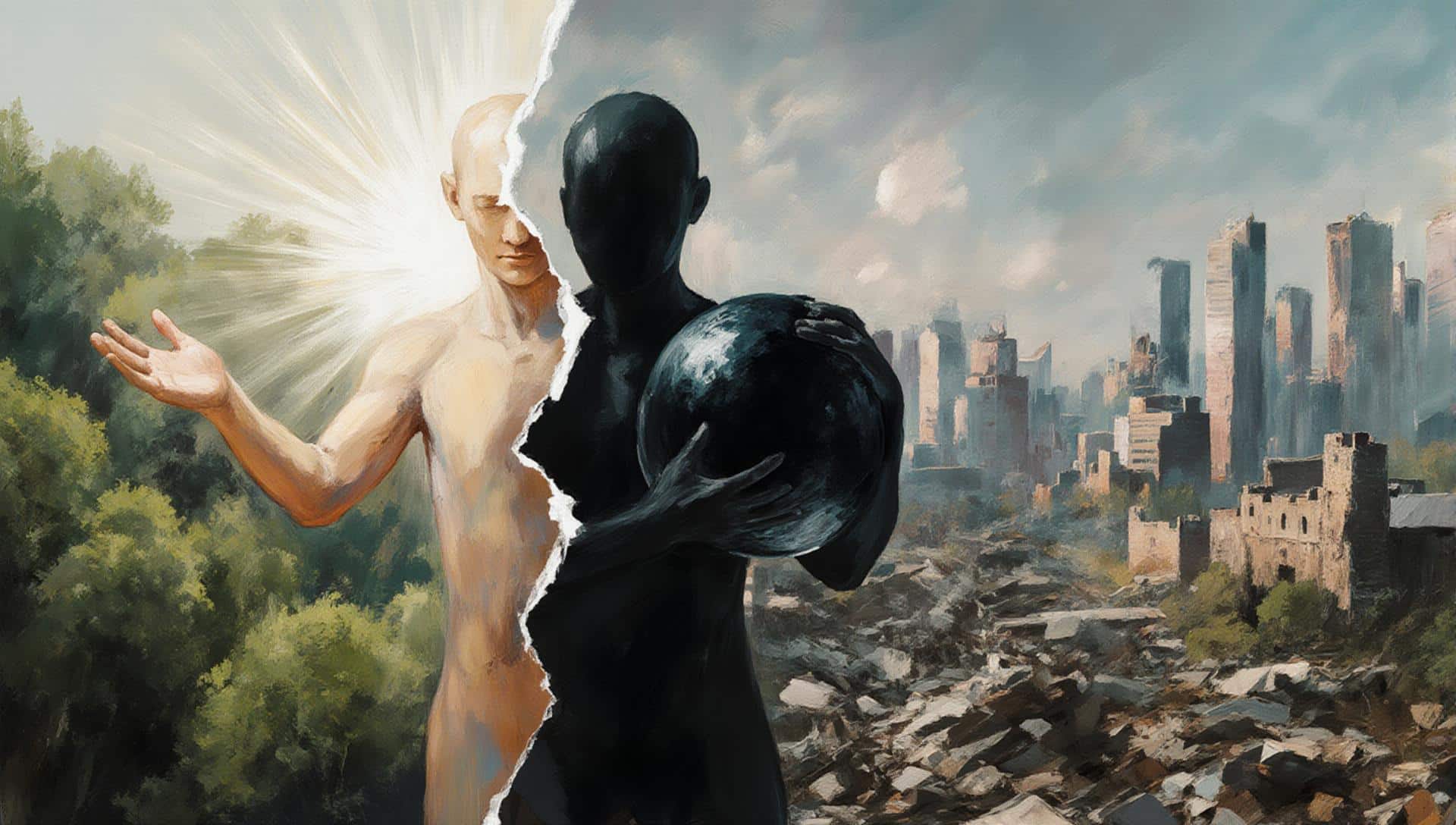
Contrast between Altruism and Nefsaniyet: A dark figure trapped in egoism versus a luminous spiritual being radiating universal love.

In the modern age, a singular, persistent message is dictated to us from every corner: “You first.” Today’s consumer culture and success-oriented systems command individuals to place their own desires at the center of everything. Modern man—viewing his existence as merely flesh and bone and the world as a collection of blessings revolving around him—finds … Read more

When Flowers Bloom: The Laws of Merit, Gardening, and Evolution

Cosmic gardener tending to an inner garden to attract divine aid, representing the Law of Merit and Evolution.

Nature has a silent yet unerring law: When a flower reaches its point of perfection and radiates its own frequency, the bee arrives without an invitation. This metaphor is not just a romantic observation of nature; it is physical proof of the universal mechanism that ancient wisdom and spiritual teachings have explained for centuries through … Read more

Spiritual Alchemy in Human Relations: Acceptance, Patience, and Divine Order

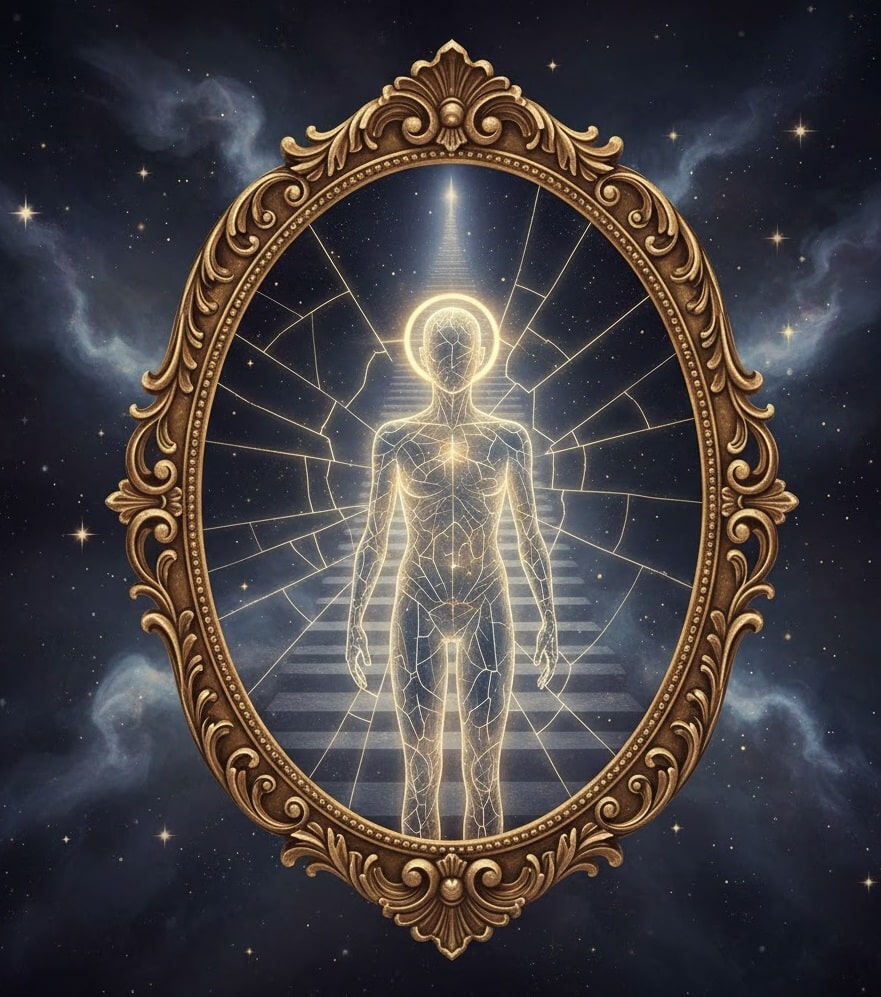
Spiritual Alchemy in Human Relations: An illustration of a glowing human silhouette inside an ornate gold mirror, symbolizing evolution and self-awareness.

“What is the secret to managing people despite everything?” This question, posed by one of our friends to Tarık Arıkdal, President of the Ergün Arıkdal Foundation for Spiritual Research, encourages us to delve deeper into the significance of Spiritual Alchemy in Human Relations and its impact on our lives. Tarık Arıkdal’s answer is not merely … Read more

Internal Miscommunication: The Anatomy of the Carriage, Horse, Driver, and Master

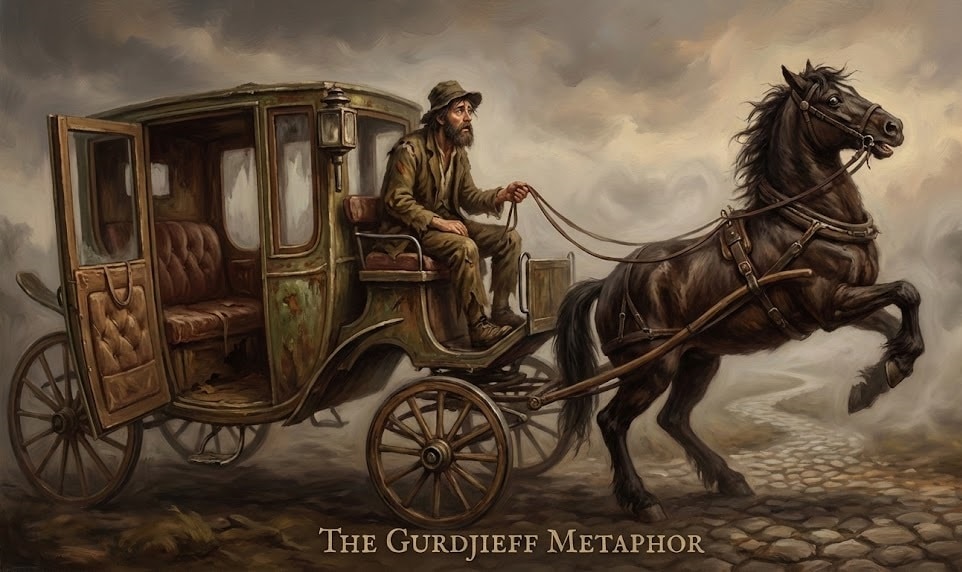
Gurdjieff Carriage Horse Driver and Master metaphor diagram

Is a human being a monolithic entity composed of a single “I”? Or does one harbor a “crowd” within, speaking different languages and constantly fighting for authority? The “Fourth Way” teachings of G.I. Gurdjieff and P.D. Ouspensky explain the tragedy of man through this internal fragmentation. To understand this, we use the famous metaphor of … Read more